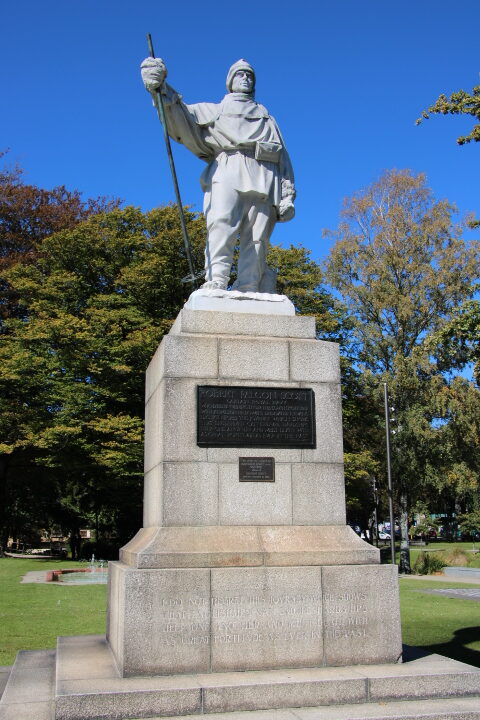
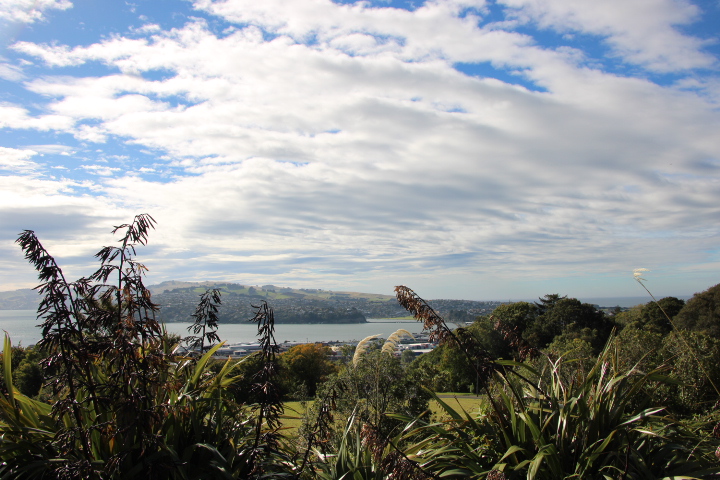
We docked at 07:00 alongside the containers in Port Chalmers, about 10 miles away from Dunedin. There is a change in the landscape now dominated by sedimentary rocks with the intrusion of a few volcanoes and some big volcanic activity.
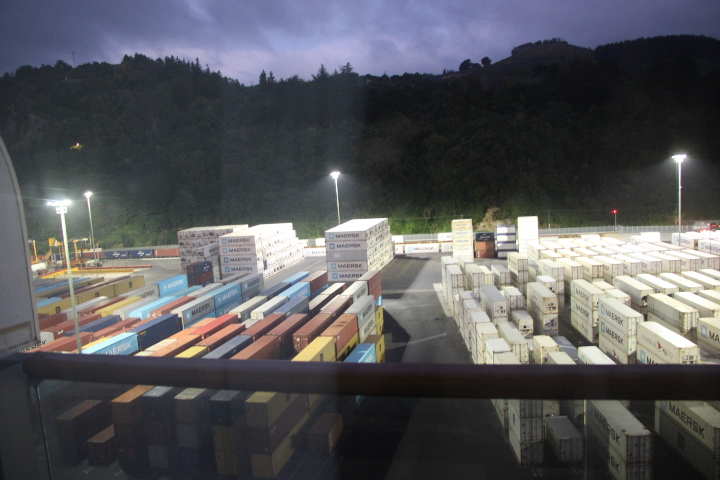
Colloquially known as the ‘Edinburgh of the South’ by the Scots who moved here from 1848 as the areas first European settlers. We explored Dunedin by coach. From our harbour, also known as Otago Harbour, we drove around the bay to the city. This was at first a Māori settlement around 1725 and known as Õtepoti through the visit of the whalers in the 1780s and then the settling of the Scots.

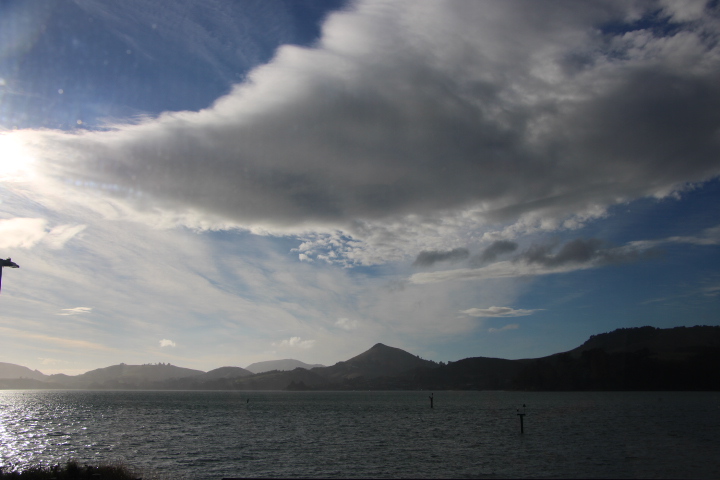
At the centre of the city is the Octagon of streets resembling a broach or kilt pin of Scottish heritage, with the suburbs planned as expanding on a grid-iron pattern until it seems, geography intervened, such as the sea which abruptly ends streets, or as in the extreme case Baldwin Street. This is the steepest in the world and is the ultimate example of just sticking to the plan.
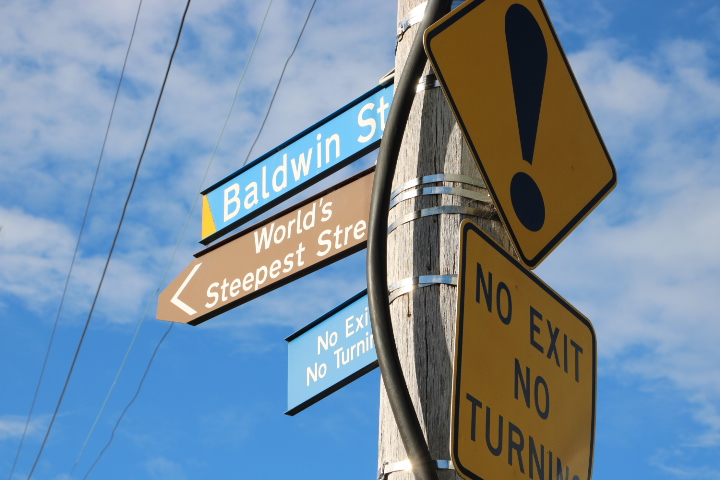

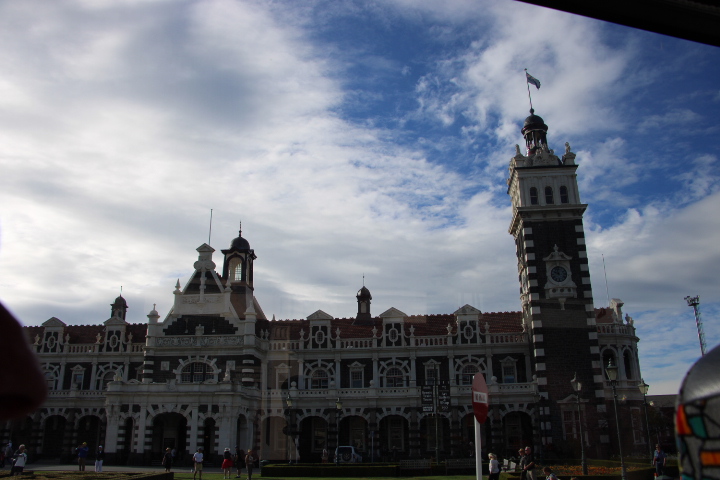
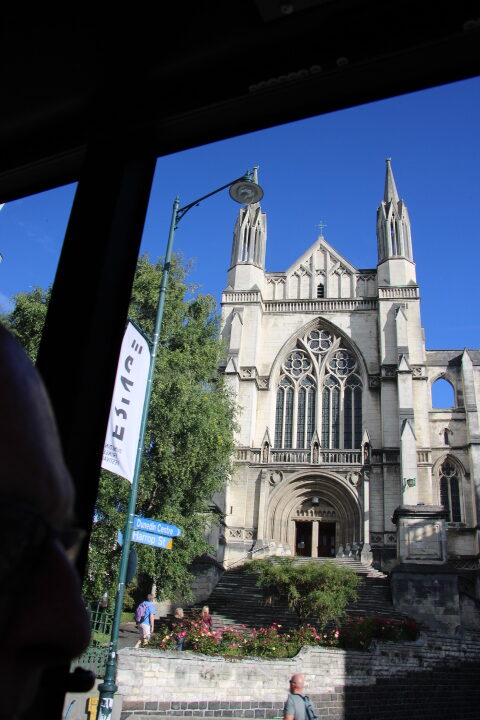
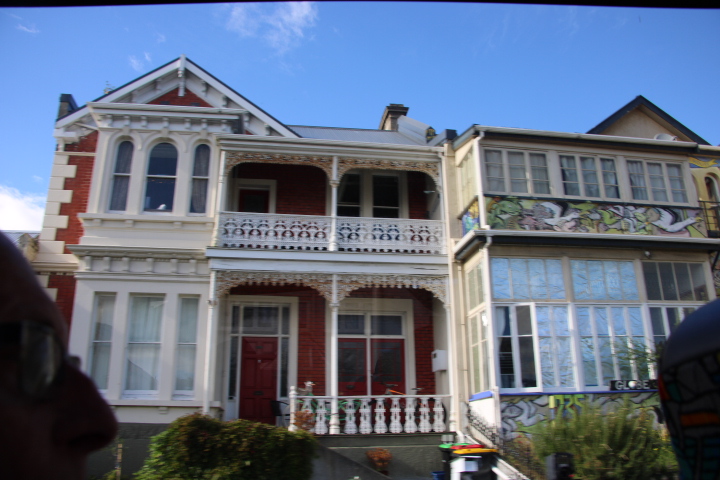
The central area has Edwardian, Victorian and Art Deco buildings. The most iconic is the railway station but on the outskirts are simpler buildings, built by the settlers, though not quite as grand, but display their owner’s wealth generated by the 1861 Gold Rush.


At the waterfront are warehouses (1882) for the wool, possum and refrigerated meat trades. Heavy industry was also present here, such as the manufacture of iron and steel, building materials, machinery and the steam power to drive all of this. Coal and iron ore along the west coast of the island was extracted by the Scots and delivered to Dunedin. After all the Scots had experienced the Industrial Revolution in the UK and carried that know how with them to develop the city.
Upon returning to Port Chalmers, it was interesting to note that this small settlement was the departure point for New Zealand’s first frozen meat shipment and the departure point for Captain Scott’s ill-fated Antarctic expedition.